-
Table of Contents
“Fuel your muscles and fight fatigue with Aminoácidos – the ultimate solution for prolonged muscle congestion.”
Introduction
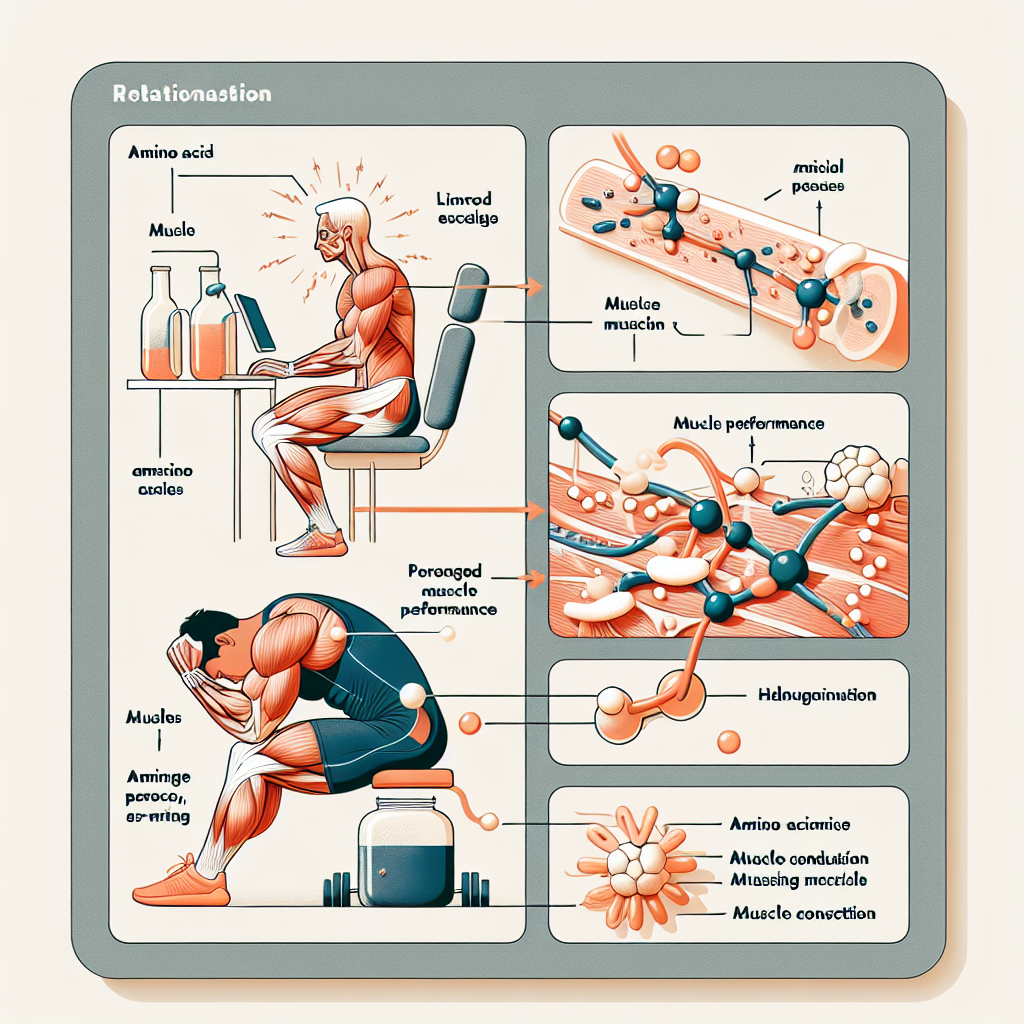
Amino acids are essential building blocks of protein and play a crucial role in muscle growth and repair. However, prolonged muscle congestion can lead to a decrease in amino acid availability, which can hinder muscle recovery and growth. In this article, we will explore the relationship between amino acids and prolonged muscle congestion, and how it can impact athletic performance and overall muscle health.
The Role of Amino Acids in Muscle Recovery and Delayed Onset Muscle Soreness (DOMS)
Amino acids are the building blocks of protein and play a crucial role in muscle recovery and growth. These small molecules are essential for repairing and rebuilding muscle tissue after exercise, making them a vital component in any athlete’s diet. However, recent studies have also shown that amino acids can help alleviate the discomfort of delayed onset muscle soreness (DOMS), a common side effect of intense physical activity.
DOMS is a type of muscle soreness that typically occurs 24-72 hours after a strenuous workout. It is characterized by muscle pain, stiffness, and tenderness, which can significantly impact an individual’s ability to perform daily activities. While the exact cause of DOMS is still not fully understood, it is believed to be a result of microscopic tears in the muscle fibers and inflammation caused by the breakdown of muscle tissue during exercise.
One of the primary ways amino acids aid in muscle recovery is by promoting protein synthesis. During exercise, the body breaks down muscle protein to provide energy for the muscles. After the workout, the body needs to repair and rebuild this damaged muscle tissue, and amino acids are essential for this process. They act as the building blocks for new muscle protein, helping to repair and strengthen the muscles.
Moreover, amino acids also play a crucial role in reducing inflammation and promoting tissue repair. Studies have shown that certain amino acids, such as glutamine and arginine, have anti-inflammatory properties that can help reduce the swelling and pain associated with DOMS. These amino acids also stimulate the production of growth factors, which aid in tissue repair and regeneration.
Another way amino acids can help alleviate DOMS is by reducing muscle fatigue. During intense exercise, the body produces lactic acid, which can build up in the muscles and contribute to fatigue. Amino acids, specifically branched-chain amino acids (BCAAs), can help reduce the buildup of lactic acid and delay the onset of fatigue. This can allow individuals to push through their workouts and potentially reduce the severity of DOMS.
In addition to aiding in muscle recovery, amino acids can also help prevent DOMS from occurring in the first place. Studies have shown that consuming amino acids before and during exercise can reduce muscle damage and inflammation, leading to a decrease in DOMS symptoms. This is because amino acids provide the body with the necessary nutrients to repair and protect the muscles during physical activity.
It is essential to note that not all amino acids are created equal when it comes to DOMS relief. While all amino acids play a role in muscle recovery, some have been found to be more effective than others. BCAAs, which include leucine, isoleucine, and valine, have been shown to be particularly beneficial in reducing DOMS symptoms. These amino acids are readily available in supplement form and are often recommended for athletes and individuals looking to improve their muscle recovery.
In conclusion, amino acids play a crucial role in muscle recovery and can also help alleviate the discomfort of DOMS. They aid in repairing and rebuilding muscle tissue, reducing inflammation, and preventing muscle fatigue. Incorporating amino acids into your diet, either through whole foods or supplements, can help improve your overall athletic performance and reduce the severity of DOMS. However, it is always essential to consult with a healthcare professional before making any significant changes to your diet or exercise routine.
How Amino Acid Supplementation Can Help Alleviate Prolonged Muscle Congestion
Amino acids are the building blocks of protein and play a crucial role in various physiological processes in the body. They are essential for muscle growth, repair, and maintenance, making them a popular supplement among athletes and fitness enthusiasts. However, recent studies have shown that amino acid supplementation can also help alleviate prolonged muscle congestion, a common issue faced by many individuals.
Muscle congestion, also known as delayed onset muscle soreness (DOMS), is a condition characterized by muscle pain, stiffness, and tenderness that occurs 24-72 hours after intense physical activity. It is a result of microscopic tears in the muscle fibers, which occur during exercise. While DOMS is a natural response to physical exertion, it can be quite uncomfortable and may hinder an individual’s ability to perform daily activities.
One of the main causes of prolonged muscle congestion is inflammation. When muscles are subjected to intense exercise, they experience microtrauma, leading to an inflammatory response. This inflammation causes an increase in blood flow to the affected area, resulting in swelling and pain. Amino acids, specifically branched-chain amino acids (BCAAs), have been found to have anti-inflammatory properties, making them an effective supplement for reducing muscle congestion.
BCAAs, which include leucine, isoleucine, and valine, are essential amino acids that cannot be produced by the body and must be obtained through diet or supplementation. They make up about 35% of the essential amino acids in muscle proteins and play a crucial role in muscle protein synthesis. BCAAs have been shown to reduce muscle damage and promote muscle repair, making them an ideal supplement for individuals experiencing prolonged muscle congestion.
In addition to their anti-inflammatory properties, BCAAs also help regulate the levels of serotonin in the brain. Serotonin is a neurotransmitter that plays a role in pain perception and mood. Studies have shown that BCAAs can decrease the levels of serotonin in the brain, resulting in a reduction in pain perception. This can be beneficial for individuals experiencing muscle congestion, as it can help alleviate the discomfort associated with DOMS.
Another amino acid that has been found to be effective in reducing muscle congestion is glutamine. Glutamine is a non-essential amino acid that is abundant in the body and plays a crucial role in immune function. During intense exercise, the body’s glutamine stores are depleted, leading to a weakened immune system. This can make individuals more susceptible to infections and illnesses, which can further prolong muscle congestion. Supplementing with glutamine can help replenish these stores and support the immune system, reducing the risk of prolonged muscle congestion.
Aside from BCAAs and glutamine, other amino acids such as arginine and citrulline have also been found to have beneficial effects on muscle congestion. Arginine is a precursor to nitric oxide, a compound that helps dilate blood vessels and improve blood flow. This can be beneficial for individuals experiencing muscle congestion, as it can help reduce swelling and promote healing. Citrulline, on the other hand, has been shown to increase blood flow and oxygen delivery to muscles, which can aid in the recovery process and alleviate muscle congestion.
In conclusion, amino acid supplementation can be a valuable tool in alleviating prolonged muscle congestion. BCAAs, glutamine, arginine, and citrulline have all been found to have beneficial effects on reducing inflammation, pain perception, and promoting muscle repair. However, it is essential to note that supplementation should not be used as a substitute for proper rest and recovery. Adequate rest, hydration, and proper nutrition are crucial for preventing and managing muscle congestion. Consult with a healthcare professional before starting any new supplement regimen, and always follow the recommended dosage for optimal results. With the right approach, amino acid supplementation can be a valuable addition to an individual’s routine, helping them recover faster and get back to their physical activities with ease.
The Importance of Proper Amino Acid Intake for Athletes and Fitness Enthusiasts to Prevent Muscle Fatigue and Soreness
Amino acids are the building blocks of protein and play a crucial role in the functioning of our bodies. For athletes and fitness enthusiasts, proper intake of amino acids is essential for optimal performance and recovery. In this article, we will discuss the importance of amino acids in preventing muscle fatigue and soreness, and how to ensure you are getting enough of these vital nutrients.
Muscle fatigue and soreness are common complaints among athletes and fitness enthusiasts. They can be caused by a variety of factors, including intense exercise, inadequate rest, and poor nutrition. When our muscles are put under stress, they require more energy and nutrients to function properly. Amino acids are responsible for providing this energy and repairing any damage to our muscles.
One of the main causes of muscle fatigue and soreness is the accumulation of lactic acid. During intense exercise, our muscles produce lactic acid as a byproduct of energy production. When the production of lactic acid exceeds its removal, it can build up in our muscles, causing that familiar burning sensation and fatigue. Amino acids, specifically the branched-chain amino acids (BCAAs), can help prevent this buildup by providing an alternative source of energy for our muscles.
BCAAs, which include leucine, isoleucine, and valine, are essential amino acids that cannot be produced by our bodies and must be obtained through our diet. These amino acids are unique in that they are metabolized directly in our muscles, rather than in the liver like other amino acids. This means they can be used as a quick source of energy during exercise, reducing the reliance on glucose and decreasing the production of lactic acid.
In addition to providing energy, BCAAs also play a crucial role in muscle recovery. During exercise, our muscles experience micro-tears, which need to be repaired for muscle growth and strength. BCAAs help stimulate protein synthesis, the process by which our bodies build and repair muscle tissue. This is why many athletes and fitness enthusiasts supplement with BCAAs before, during, and after their workouts to aid in muscle recovery and prevent soreness.
Aside from BCAAs, other amino acids also play a vital role in preventing muscle fatigue and soreness. Glutamine, for example, is the most abundant amino acid in our bodies and is essential for immune function and gut health. During intense exercise, our bodies use up a significant amount of glutamine, which can lead to a weakened immune system and digestive issues. Supplementing with glutamine can help replenish these levels and support overall muscle recovery.
Another important amino acid for athletes and fitness enthusiasts is arginine. Arginine is a precursor to nitric oxide, a compound that helps dilate blood vessels and improve blood flow. This increased blood flow can deliver more oxygen and nutrients to our muscles, reducing fatigue and promoting faster recovery. Arginine is also known to stimulate the production of growth hormone, which is essential for muscle growth and repair.
So, how can you ensure you are getting enough amino acids to prevent muscle fatigue and soreness? The first step is to have a well-balanced diet that includes a variety of protein sources. Animal products such as meat, fish, and dairy are excellent sources of all essential amino acids. For vegetarians and vegans, combining different plant-based protein sources, such as beans and grains, can provide a complete amino acid profile.
In addition to a healthy diet, many athletes and fitness enthusiasts choose to supplement with amino acids to ensure they are getting enough of these vital nutrients. BCAA supplements are popular among those looking to prevent muscle fatigue and soreness, as well as improve muscle recovery. Other amino acid supplements, such as glutamine and arginine, can also be beneficial for athletes and fitness enthusiasts.
In conclusion, proper intake of amino acids is crucial for athletes and fitness enthusiasts to prevent muscle fatigue and soreness. BCAAs, glutamine, and arginine are just a few of the essential amino acids that play a vital role in muscle energy production and recovery. By maintaining a well-balanced diet and considering supplementation, you can ensure you are getting enough of these vital nutrients to support your athletic performance and overall health.
Q&A
1) ¿Qué son los aminoácidos y cómo están relacionados con la congestión muscular prolongada?
Los aminoácidos son moléculas orgánicas que forman las proteínas en nuestro cuerpo. Estas proteínas son esenciales para la construcción y reparación de tejidos musculares. La congestión muscular prolongada puede ocurrir cuando hay una falta de aminoácidos disponibles para reparar los músculos después de un ejercicio intenso.
2) ¿Qué aminoácidos son importantes para prevenir la congestión muscular prolongada?
Los aminoácidos esenciales, como la leucina, la isoleucina y la valina, son importantes para prevenir la congestión muscular prolongada. Estos aminoácidos son conocidos como aminoácidos de cadena ramificada (BCAA) y son necesarios para la síntesis de proteínas musculares y la recuperación después del ejercicio.
3) ¿Cómo se pueden obtener los aminoácidos necesarios para prevenir la congestión muscular prolongada?
Los aminoácidos se pueden obtener a través de la dieta, consumiendo alimentos ricos en proteínas como carne, pescado, huevos y productos lácteos. También se pueden tomar suplementos de aminoácidos, especialmente BCAA, antes y después del ejercicio para ayudar a prevenir la congestión muscular prolongada. Es importante mantener una dieta equilibrada y variada para asegurar una ingesta adecuada de todos los aminoácidos esenciales.